

Australians are feeling more anxious and frustrated about global instability than they did at the beginning of the COVID-19 pandemic, according to a new report from research company McCrindle.
The report, The impact of global events on Australia’s morale and behaviour, paints a picture of a nation unsettled by international conflict, rising fuel prices and economic uncertainty, with younger Australians particularly affected.
More than a quarter of Australians surveyed said the world does not feel safe right now, while concern about international wars and conflicts has risen sharply from 58 per cent in 2023 to 70 per cent in 2026.
The research found Australians are increasingly carrying a sense of unease about the future. Two in five respondents said they felt “extremely” or “very” uncertain about what lies ahead, a figure slightly higher than during March 2020 when the pandemic first disrupted daily life.
Feelings of anxiety were also higher than during the early pandemic period, with 51 per cent of Australians describing themselves as anxious about the current unrest, compared with 45 per cent during COVID-19. Frustration levels have jumped even more significantly, rising from 37 per cent in 2020 to 50 per cent today.
The report links much of the public mood to ongoing global tensions, particularly unrest in Iran and concerns over rising fuel prices. Australians remain divided on how long the instability could last, with 36 per cent expecting the conflict to resolve within three months, while 28 per cent believe it could continue for a year or longer.
McCrindle researchers said the constant stream of real-time news and social media updates was contributing to the national mood.
“The role of social media in delivering real-time insights to people’s doorsteps is also starting to take a toll on the national psyche,” the report states.
Younger Australians appear to be carrying the emotional burden more heavily than older generations. Gen Z respondents were almost twice as likely as Baby Boomers to report feeling overwhelmed, while feelings of panic were more than double among younger Australians.
Despite the anxiety, many Australians are responding practically. Seven in ten people said they had changed some aspect of their behaviour because of the unrest and economic uncertainty.
Financial caution topped the list, with 30 per cent delaying non-essential spending and 10 per cent taking on additional work to boost income. Others reported changes aimed at protecting their emotional wellbeing, including praying, reducing news consumption and taking steps to manage anxiety.
For people of faith, the findings may point to a growing spiritual hunger beneath the anxiety. The report found one in six Australians had prayed in response to global unrest, suggesting that in times of uncertainty many people still reach for spiritual practices as a source of comfort, meaning and stability.
Church leaders and pastoral carers may increasingly find themselves supporting people dealing with exhaustion, fear and uncertainty about the future, particularly younger generations who appear to be carrying a heavier emotional load. The findings also highlight the importance of churches as places of connection in an increasingly anxious and fragmented culture.
At a time when many Australians are withdrawing from constant news cycles and searching for ways to reduce anxiety, communities of faith may offer something increasingly rare: spaces for reflection, hope, prayer and relationships grounded in something deeper than the daily headlines.
The report itself suggests that fostering connection and empathy is one of the most important ways communities can respond during periods of instability. For churches, that may reinforce the importance of gathering, pastoral care and creating communities where people can process fear without becoming overwhelmed by it.
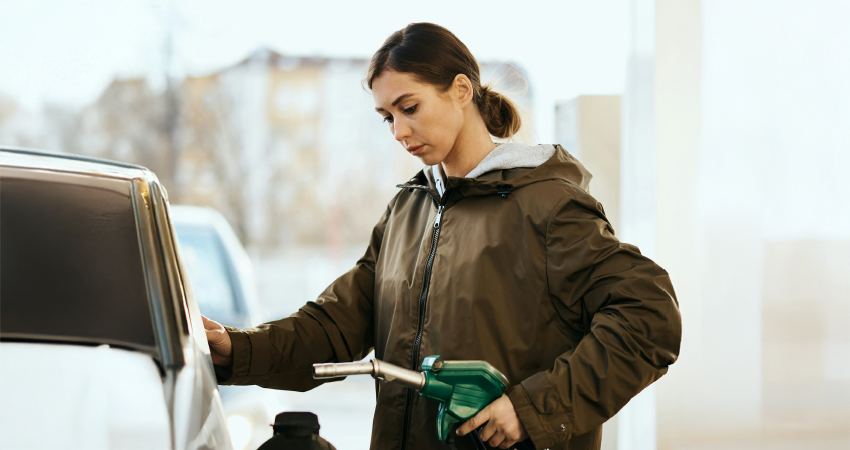
Fuel prices are also reshaping everyday habits. Among petrol car drivers, 77 per cent said they had altered the way they travel, with many limiting driving to essential trips or switching to public transport and walking more often.
At the same time, interest in electric vehicles appears to be growing. Around one-third of Australians said they were very open to owning an EV, although resistance remains strongest among Baby Boomers.
Yet amid the uncertainty, the report also found signs of resilience. Nearly three in ten Australians said they had made no changes at all and were simply continuing with everyday life, particularly older Australians.
McCrindle said understanding these emotional and behavioural shifts is vital for leaders, organisations and communities seeking to respond well during uncertain times.