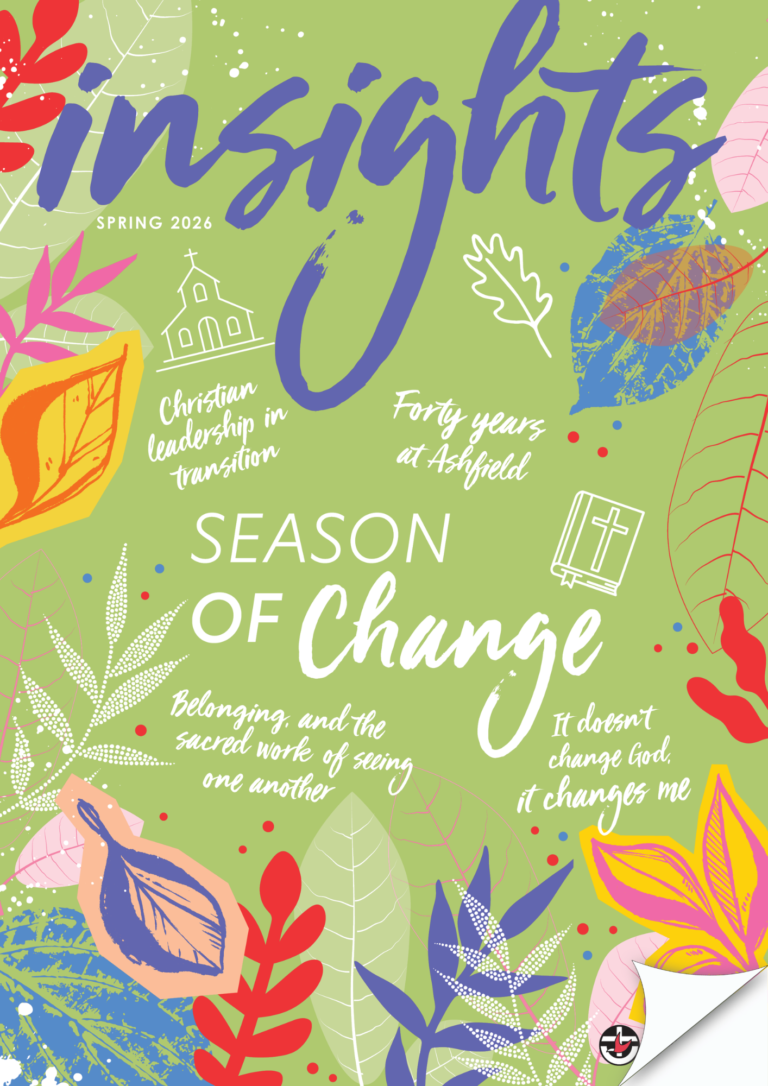

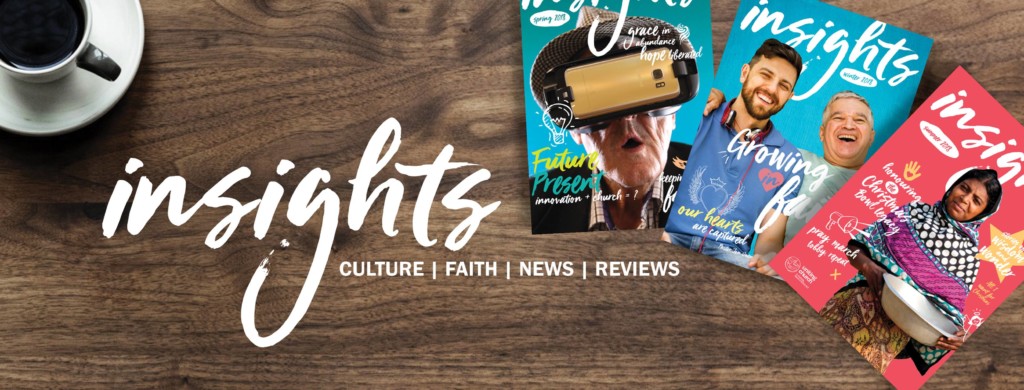
Sharing your story through Insights
Our Editorial Voice
Insights writes about faith as part of real life. Our voice is thoughtful, grounded, and conversational without being casual or flippant. We aim for clarity over cleverness and reflection over reaction.
We are a progressive Christian publication shaped by the Uniting Church in Australia, but we write for a broad public audience. Articles should feel welcoming to readers inside and outside church life.
Above all, our writing assumes readers are intelligent, curious, and capable of nuance.
Core Voice Qualities
Thoughtful
We prioritise reflection and insight rather than hot takes. Writers should show evidence of thinking, wrestling, and careful observation.
Write with: depth, patience, attentiveness.
Avoid: outrage, exaggeration, or sweeping claims.
Accessible
Good writing should be understandable without specialist theological knowledge.
Write for: an informed general reader.
Avoid: jargon, insider church language, or unexplained acronyms.
If theological concepts are used, explain them naturally within the flow of the piece.
Honest
We do not pretend faith resolves every tension. Writers may acknowledge uncertainty, doubt, or complexity.
Encourage: humility and openness.
Avoid: preachiness, defensiveness, or claims of moral superiority.
Hopeful but Grounded
Hope is central to our perspective, but it must feel earned.
Offer: perspective, meaning, or possibility.
Avoid: sentimental optimism or simplistic conclusions.
Engaged
We engage culture rather than critique it from a distance.
Write with: curiosity about the world.
Avoid: culture-war framing or insider church debates presented as universal concerns.
Tone Guidelines
| Aim For | Avoid |
| Calm confidence | Moralising |
| Reflective | Reactive |
| Curious | Certain or absolute |
| Generous | Dismissive |
| Clear | Academic or dense |
| Grounded | Inspirational clichés |
What Insights Sounds Like
- A thoughtful magazine essay.
- A reflective conversation with an informed friend.
- Journalism shaped by faith but not limited to church audiences.
- Writing that invites readers to think alongside the author.
Example tone:
“The question is not whether faith belongs in public life, but how it might shape the way we listen to one another.”
What Insights Does Not Sound Like
- A sermon transcript.
- A denominational announcement.
- A theological journal article.
- Social media commentary expanded into an article.
- Opinion writing driven by outrage or certainty.
Avoid tones such as:
- “Christians must…” declarations.
- Insider church disputes assuming shared knowledge.
- Culture-war rhetoric.
- Promotional or institutional language.
Language Guidelines
Use Plain, Direct Language
Prefer clarity over complexity.
- Say “church communities” instead of “ecclesial contexts.”
- Say “following Jesus” instead of overly abstract phrasing.
Write Inclusively
Assume readers come from varied beliefs and experiences.
- Avoid assuming shared doctrine or church background.
- Frame faith claims with awareness of a diverse audience.
Preferred:
“Many Christians understand…”
rather than
“The Bible clearly teaches…”
Avoid Overstatement
We favour measured claims.
Instead of:
“This changes everything.”
Try:
“This invites us to reconsider…”
Faith Language
Faith language should feel lived rather than institutional.
Encouraged
- Scripture used thoughtfully and contextually.
- Theology connected to lived experience.
- Personal reflection that opens outward toward readers.
Discouraged
- Proof-texting.
- Preaching at readers.
- Assuming agreement.
Structure Expectations
Most Insights articles should:
- Begin with a clear entry point (story, observation, question, or cultural moment).
- Develop an idea through reflection, reporting, or analysis.
- Connect faith meaningfully to contemporary life.
- End with openness — insight rather than a moral directive.
Avoid tidy moral lessons or forced conclusions.
Checklist for Writers (Before Submitting)
- Does this piece invite readers into conversation?
- Is the language clear to someone outside church culture?
- Have I avoided clichés or exaggerated claims?
- Does the tone reflect humility and curiosity?
- Does hope emerge naturally rather than being imposed?
Insights — What We Commission
Our Editorial Focus
Insights commissions journalism, commentary, and storytelling that explores the intersection of faith, justice, culture, and contemporary life through a progressive Christian lens.
We prioritise pieces that help readers think more deeply about how faith is lived today — in public life, relationships, creativity, politics, community, and personal experience.
We are not primarily a church news outlet or devotional publication. We publish work that engages the wider world.
Article Types We Commission
- Commentary & Opinion
Thoughtful analysis of current events, social issues, or cultural moments informed by faith and ethical reflection.
Examples
- Faith perspectives on political or social developments
- Ethical reflections on news events
- Cultural commentary grounded in lived faith
What we look for
- Insight over reaction
- Nuance rather than certainty
- Clear relevance beyond church audiences
Typical length: 800–1,200 words
2. Features & Longform Essays
In-depth explorations of ideas, trends, or experiences that illuminate contemporary faith and society.
Examples
- The changing role of church in Australian life
- Spirituality and mental health
- Faith and climate justice
- Profiles of people or movements shaping hopeful change
What we look for
- Strong narrative or reporting
- Original perspective
- Clear storytelling arc
Typical length: 1,200–2,000 words
- Faith & Culture
Engagement with film, television, books, music, art, and popular culture through reflective theological or ethical lenses.
Examples
- Film or TV essays exploring moral or spiritual themes
- Cultural trends examined through faith perspectives
- Reviews that move beyond promotion into interpretation
What we look for
- Cultural literacy
- Insightful connections, not forced allegory
- Accessible writing for general readers
Typical length: 700–1,000 words
- Personal Essays & Reflections
First-person writing that connects lived experience with broader spiritual or social meaning.
Examples
- Experiences of faith, doubt, or change
- Ministry or community encounters
- Reflections on grief, hope, belonging, or identity
What we look for
- Authentic voice
- Reflection that moves beyond autobiography
- Resonance with wider readers
Typical length: 700–1,000 words
- Interviews & Conversations
Q&A or reported conversations with thinkers, leaders, artists, or community voices engaging faith and public life.
What we look for
- Insightful framing
- Editorial clarity
- Relevance to contemporary conversation
Typical length: 800–1,200 words
Pitches We Welcome
Strong pitches usually include:
- A clear central idea or question
- Why the topic matters now
- The perspective or argument you will bring
- Why Insights is the right publication
- Proposed length and format
Good pitch framing
“This article explores how younger Christians are rethinking community through shared housing, connecting personal stories with broader social trends.”
Pitches Less Likely to Be Commissioned
We generally do not publish:
- Sermons or devotional material written for church services
- Internal denominational updates
- Promotional pieces for organisations or events
- Academic theological papers
- Culture-war opinion pieces driven primarily by outrage
- Articles assuming insider church knowledge
Editorial Priorities
When commissioning, we prioritise pieces that are:
- Public-facing rather than internal
- Thoughtful rather than reactive
- Curious rather than certain
- Inclusive and justice-aware
- Grounded in lived experience
Editing & Style Preferences
Length Guidelines
| Article Type | Word Count |
| Commentary | 800–1,200 |
| Feature / Longform | 1,200–2,000 |
| Culture Essays / Reviews | 700–1,000 |
| Personal Essays | 700–1,000 |
| Interviews | 800–1,200 |
(Editors may request shorter or longer versions depending on need.)
Headlines
Headlines should be:
- Clear and engaging
- Journalistic rather than promotional
- Accessible to general audiences
- Avoid overly clever wordplay or insider language
Aim for: clarity + curiosity.
Good
- What Hope Looks Like in an Anxious Age
- Why Slow Faith Still Matters
Avoid
- Sermon-style titles
- Clickbait phrasing
- Puns requiring church knowledge
Editors reserve final headline decisions.
Language & Style
Spelling
- Use Australian English spelling.
- organise (not organize)
- centre (not center)
- programme only when appropriate (otherwise program)
Tone
- Write for a broad public audience.
- Avoid denominational shorthand.
- Assume readers may not share your beliefs.
Scripture Citations
- Scripture references should appear in parentheses, not footnotes.
- Use standard abbreviated book names.
Example
Hope often begins in small acts of faithfulness (Zechariah 4:10).
- Avoid long block quotations unless essential.
- Scripture should illuminate the argument, not replace it.
Quotations
- Use double quotation marks.
- Attribute clearly.
- Fact-check quotes and names.
Formatting
- Use subheadings for pieces over ~1,000 words.
- Short paragraphs preferred for online readability.
- Avoid excessive bold or italics for emphasis.
Links
- Include hyperlinks to reputable sources where relevant.
- Avoid promotional linking.
Editing Process
- Submission reviewed by editor.
- Structural or clarity edits may be suggested.
- Contributors may be asked for revisions.
- Editors reserve the right to edit for clarity, tone, length, and style.
- Final approval rests with the editorial team.
Final Editorial Principle
Every article should help readers think more deeply about faith and the world they inhabit — not by telling them what to think, but by inviting them into a richer conversation.