

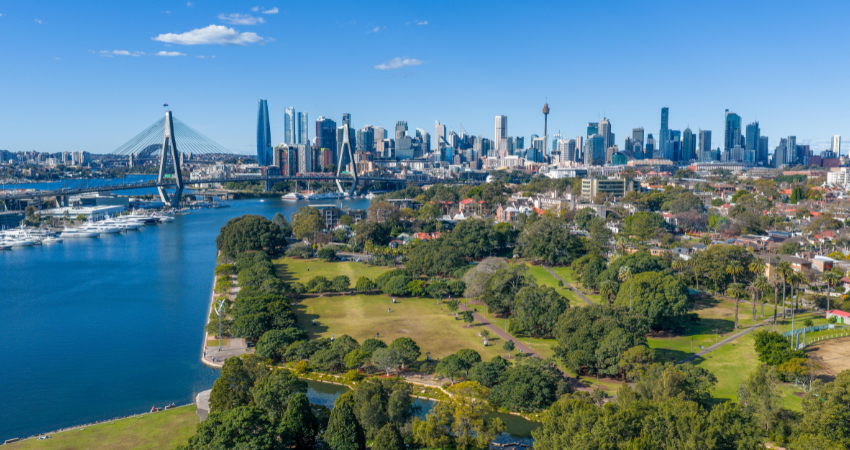
Standing in front of my glass sliding doors facing my balcony I looked out over the view. I have always loved the urbanscape and now here it was right at my doorstep for me to look at any time I wanted to. I had recently moved into a tiny unit in the city – I called it my shoebox – that didn’t feel so small because of the expansive view from the living room. One Sunday morning I sat on my couch sipping tea staring out the glass doors observing the tops of buildings intersect with the cloudless, blue sky with the city spreading out as far as I could see. I was on the seventh floor, so it wasn’t so far up that I felt too removed from it all but high enough to see the urban sprawl before me. Waking me from my thoughts I heard a familiar yet hard-to-place sound. I focused my hearing and listened to the sound of bells coming from the humming background of the city.
At first I thought I was imagining the sound, so I got up and looked out of my kitchen window. I squinted and saw the tip of a cathedral which stood out only slightly because of the small cross on its steeple. My city view came with a cathedral and cross and I had only just noticed. As the bells rang, I felt the dissonance between the modern throbbing life of the city and a sound that was calling me back to another time. I felt a sense of nostalgia even though I hadn’t grown up in a time when church bells rang to call the whole town to worship. The sound was old, even ancient, and altogether different compared with the beeping, buzzing electronic digital sounds we hear today. The sound of the bells was marginalised by the dominant cityscape and noise.
Many people today would be glad that we have moved on from the times when church bells called the whole neighbourhood or parish to worship. Or times when the seasons were connected to sacred events like the birth or death of a god, harvest and even “ordinary time” when the community slowed down and there was a break from festivities, a time to revel in the mundane.
But we continue to crave connection through communal routines or rhythms.
Today in the West, commercial or entertainment offerings replace religious rhythms. Instead of church, temple or synagogue attendance we might go shopping. Instead of distinct seasons and rituals that keep us connected to the natural environment, the entertainment and marketing industry often backed up by the state, keep us in a steady cycle of busyness and our focus on consuming the next thing that will dazzle our senses. We are disconnected from anything sacred and grounded.
In my city of Sydney we see a yearly cycle of festivals, events and programs that have their own routines and rituals perhaps in an attempt to keep us occupied, consuming and also longing for more. Writers’ festivals, luminous light shows in winter (to snap us out of the “gloom” of the season) summer outdoor concerts, all produce an alternative to what grounded, earthy rituals or religion used to offer us. I love and attend some of the wonderful events that my city holds in the various seasons. I look forward to them. However, I often wonder about whether some kind of communal slowing down or a “sabbath” rest is needed.

Can we be constantly entertained? What kind of humans will we become if we don’t pause for reflection? We might say that anyone can pause any time they want to – an individualistic response in an individualistic culture. But if you live in a context where there is a continual cycle of activity, individual resistance to communal frenzy is difficult. Our febrile environment is systemic and overwhelms the individual who might want or need to pause. Instead, we go on weekend “retreats” to “detox” and “connect with nature”. But have we forgotten that to be human is to be nature? Nature rests and so must we. The societal driving forces are not interested in our spiritual health. Instead the intention is to form us into passive consumers, who keep desiring more so that the unrelenting machine can continue to whirl. I also struggle to opt out of this machine and in many ways, it’s impossible to do so. This wearies me.
Rev. Dr Karina Kreminski, Mission Catalyst – Formation and Fresh Expressions, Uniting Mission and Education. Karina also blogs at An Ordinary Mystic.