


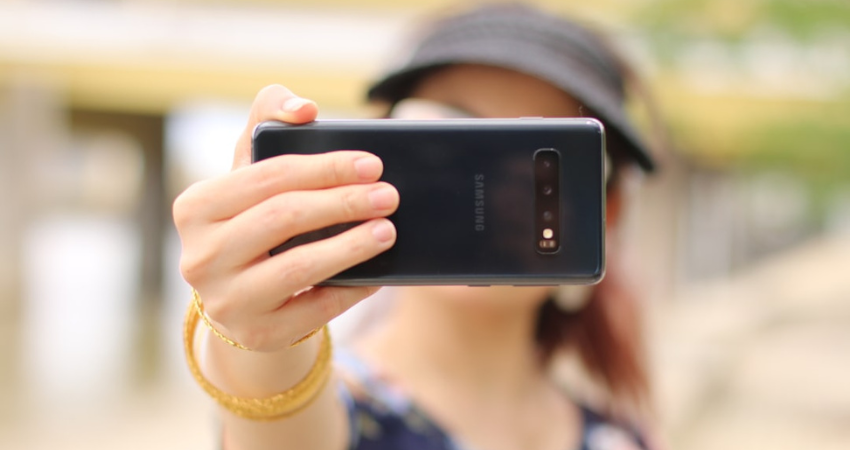
There wasn’t the dramatic farewell post, no declaration that they were deleting Facebook forever and no lengthy explanation about escaping Instagram or having abandoned X a while ago. They simply stopped talking.
The photos became less frequent, the status updates disappeared, birthdays went unmentioned and family holidays went undocumented. Many people still scroll, but they rarely contribute anymore. They’ve become observers rather than participants, quietly retreating into the background.
It’s happening so gradually that many of us haven’t even noticed.
Research by internet privacy company Incogni suggests more than half of social media users post less today than they did five years ago. Almost half have deleted a social media or messaging app because it caused stress or anxiety, while more than half say maintaining an online presence now feels like work. Privacy concerns, political polarisation and declining mental health are all encouraging people to quietly step back rather than keep sharing.
Reporter Frank Chung recently described this as the “death of the status update”. Social media hasn’t disappeared, and neither have the people using it, but something fundamental has changed. What began as a way to stay connected has gradually become something very different.
The algorithms reward outrage over conversation, advertising crowds out friends and endless recommendations replace familiar faces. Instead of catching up with people we know, we’re served an infinite stream of content chosen by machines that understand what will keep us scrolling.
The irony is hard to miss: Platforms that promised to make us more social have somehow become less social.
For many of us, Facebook once felt like a neighbourhood where we celebrated births, mourned losses, asked for prayer, shared funny stories and kept in touch with people we genuinely cared about. It wasn’t perfect, but it was recognisably human.
Today, opening many social media apps feels less like visiting friends and more like walking through a shopping centre where every second person is trying to sell you something while strangers argue loudly in the food court.
It’s exhausting, and perhaps that’s why so many people haven’t left social media altogether. Instead, they’ve quietly withdrawn from participating. They scroll occasionally, like the odd photo and watch without saying very much. Silence has become its own form of resistance.
As Christians, though, I wonder if we’re looking at this trend from the wrong angle. It’s easy to lament the decline of social media because churches invested years building Facebook pages, creating content and encouraging online engagement. Many of us still measure our communication by clicks, impressions and shares.
But what if this quiet retreat isn’t simply a loss? What if it’s creating space for something better?
Human beings haven’t stopped wanting community. They’ve simply stopped wanting performance, there’s an important difference.
People are increasingly weary of curating their lives for audiences they barely know. They’re tired of feeling every opinion must be defended, every holiday photographed and every meaningful moment turned into content. Underneath that fatigue lies a longing that has never really disappeared.
We still want to belong. We still want people who notice when we’re absent, conversations that aren’t interrupted by advertisements or filtered through algorithms, and places where we’re genuinely known.
Christian community was never built on broadcasting ourselves. It was built on showing up for one another. The early Church grew because people encountered communities where they were seen, loved and valued.
Those needs haven’t changed, only the technology has. Perhaps the decline of social media is reminding us of something we’ve known all along: Community isn’t content.
It can’t be manufactured through engagement metrics or optimised by algorithms. Instead, it grows slowly through shared experiences, ordinary conversations and the quiet faithfulness of consistent presence.
That doesn’t mean abandoning digital spaces because they still have enormous value. They help us communicate, organise and stay connected across great distances. But perhaps we need to stop expecting them to do what only genuine community can do.
If fewer people are posting online, they may be more open to meeting for coffee. If they’re weary of shouting into the internet, they may welcome conversations where someone actually listens and they may appreciate communities where they can honestly admit they’re struggling.
This feels less like the end of social connection and more like a cultural correction. The pendulum may be swinging back towards something quieter and, perhaps, something healthier.
So the Church has an opportunity here, not because we’re better than social media, but because we’ve always believed people flourish through relationships rather than audiences. Our calling isn’t to compete with algorithms. It’s to offer something algorithms never can: genuine belonging.
Maybe the next season of mission won’t be won through viral posts or perfectly optimised content. Maybe it’ll look remarkably ordinary instead.
It’ll look like an invitation to dinner or a shared meal after worship. Even better, a conversation that isn’t interrupted by notifications.
The status update may be slowly dying out, but the hunger for real community is very much alive.
Follow Adrian Drayton on his Substack The Long Conversation – where he writes about faith, culture and media and the questions shaping our common life.

1 thought on “The Quiet Exodus from Social Media Might Be an Invitation for the Church”
Excellent observation! It’s a great thing.