


If your watchlist’s starting to feel like a second job, limited series can be a kind of grace. They give you a full story without demanding years of your life. No endless seasons, no drawn-out plots. Just something complete, something that knows when to begin and when to end.
And maybe there’s something quietly faithful in that. A story that honours its limits. A story that trusts that what it has to say is enough.
These six shows don’t just fill a weekend. They wrestle with what it means to be human — with grief, hope, sin, love, and the fragile possibility of redemption.
Station Eleven
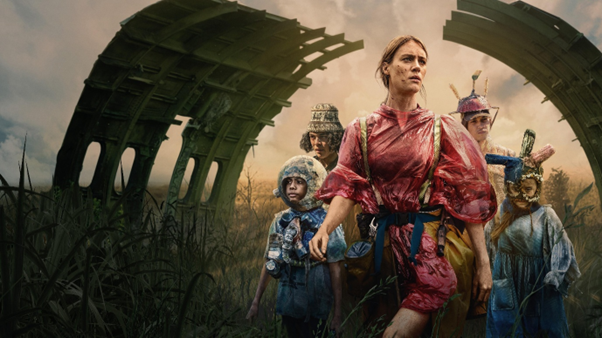
Available on Stan
There’s no shortage of end-of-the-world dramas, but Station Eleven stands apart because it’s not really about the end. It’s about what remains.
A flu pandemic collapses civilisation, but the story keeps circling back to what people carry with them when everything else is stripped away. Art. Memory. Relationships. The ache of loss and the stubborn refusal to let beauty disappear.
It’s a quiet reminder that even in ruin, people reach for meaning. In Christian language, you might call that the image of God still flickering in us. Creation doesn’t just vanish because things fall apart.
By the end, the series feels less like a survival story and more like a meditation on resurrection. Not in a literal sense, but in the way hope keeps pushing up through the cracks. Beauty doesn’t just survive. It insists.
Under the Banner of Heaven
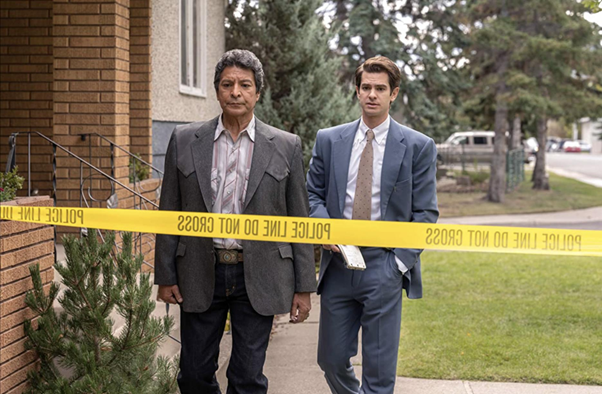
Available on Disney+
This isn’t easy viewing. It’s heavy, confronting, and at times deeply unsettling.
Based on Jon Krakauer’s book, the story follows Detective Jeb Pyre, played by Andrew Garfield, as he investigates a brutal murder within a religious community.
What makes it linger isn’t just the crime. It’s the way the show pulls apart the tension between faith and control. Between trust in God and the human desire for certainty and power.
It asks a hard question: what happens when belief stops being about humility and becomes about domination?
For people of faith, it’s uncomfortable because it should be. It reminds us that religion can be twisted. That certainty without love can turn dangerous. That true faith isn’t loud or coercive. It’s shaped by grace, not fear.
The Beast in Me
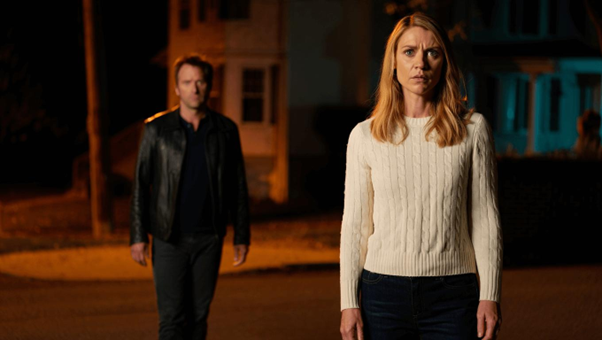
Available on Netflix
This one leans into darkness.
A writer becomes entangled with a neighbour who may be hiding something terrible, and the series builds that slow sense that something isn’t right. Claire Danes and Matthew Rhys bring a kind of quiet intensity that keeps things grounded even as the tension ramps up.
At its core, it’s about suspicion and the unknown parts of people. The things we hide. The things we’re capable of.
From a faith perspective, it echoes an old truth we don’t always like to face. There’s a fracture in human nature. Scripture would call it sin. Not just the obvious kind, but the buried, complicated kind that distorts relationships and erodes trust.
The show doesn’t offer easy answers, but it does hold up a mirror. And sometimes that’s enough.
Masters of the Air
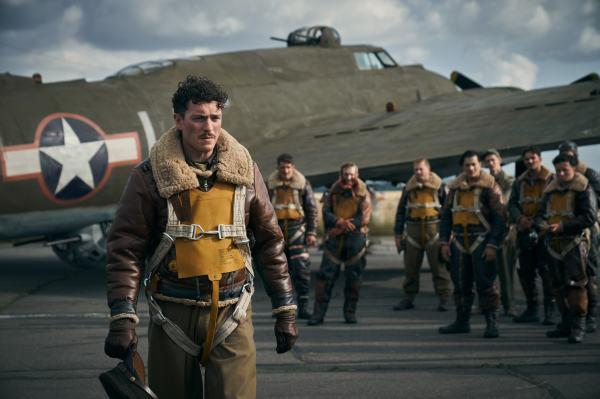
Available on Apple TV
Yes, it’s a war series. Big budget, sweeping visuals, all of that.
But what stays with you isn’t the scale. It’s the people.
Following the 100th Bomb Group during World War II, the show captures not just the action but the cost. The exhaustion. The fear. The fragile bonds between men who know they might not make it home.
There’s something deeply human here. A kind of fellowship forged under pressure. You might even see echoes of what the church is meant to be at its best. People holding each other up when everything else is falling apart.
It doesn’t glorify war. If anything, it strips it back. And in doing that, it honours the dignity of those caught inside it.
Adolescence
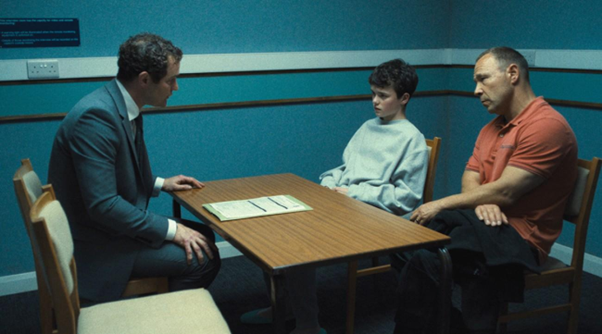
Available on Netflix
This is the one that lingers.
A 13-year-old is accused of murder, and the story unfolds not as a tidy mystery but as something far more unsettling. A look at family, fear, and how little we sometimes understand the people closest to us.
It resists the urge to simplify. There’s no clean resolution that lets you walk away feeling comfortable.
Instead, it presses on questions of responsibility, formation, and care. What shapes a person? Where do things go wrong? And how do we respond when they do?
Last year when the series came out and sparked conversations worldwide, Insights reviewed is and said: “Apart from the stellar performances in the series, Adolescence serves as a prescient reminder of the multifaceted challenges teenagers and their parents face. By portraying the pervasive influence of social media and the complexities of parental involvement, the series encourages viewers to reflect on their roles within the scenarios portrayed in each episode of the series. It underscores the necessity for open communication, digital literacy, and collective societal efforts to support the healthy development of adolescents amidst the ever-evolving digital landscape.”
There’s a quiet call here for compassion. Not naïve forgiveness, but a recognition that every person is more than their worst moment. That justice and mercy aren’t opposites. They have to be held together, even when it’s hard.
Under Salt Marsh
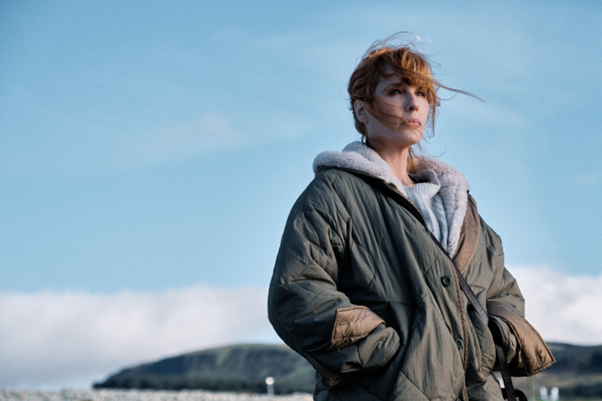
Available on Binge
This is a story shaped by grief.
A young boy is found dead, and as a storm closes in, a community scrambles to find answers before the truth is literally washed away. Kelly Reilly plays a former detective drawn back into the work she thought she’d left behind.
What sets it apart is the weight it gives to loss. This isn’t just a mystery to solve. It’s a community trying to make sense of something that shouldn’t have happened.
There’s also an undercurrent of creation itself under strain, with rising waters and eroding land pressing in. It’s hard not to hear echoes of a groaning world, to borrow language from Romans. Creation isn’t as it should be, and neither are we.
And yet, people keep searching for truth. For justice. For some kind of peace.
There’s something refreshing about a story that knows its limits. No filler. No manipulation to keep you hooked for another season. Just a beginning, a middle, and an end. One and done.
In a culture that often wants more and never stops, that kind of restraint feels almost countercultural.
Because not every story needs to go on forever. But a good one can still point beyond itself — to something lasting, something true, something that stays with you long after you turn off.